Friday, November 23, 2012

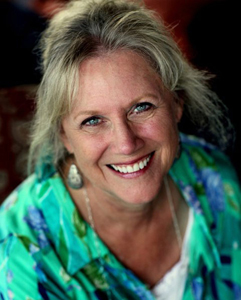
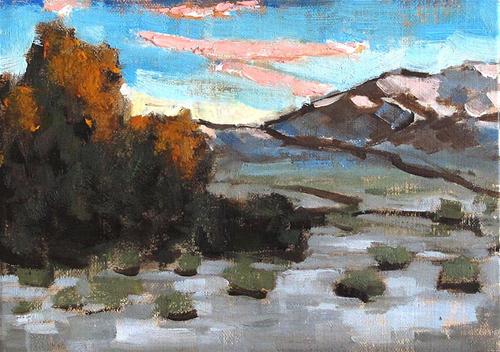
DPW Spotlight Interview: Abigail Gutting

Each week we will spotlight a different DPW artist who will give away one of their best paintings. 

To enter to win Abigail Gutting's painting, "Fruit of Autumn," go to go to Daily Paintworks and click on the link at the top of the page announcing her interview.

From Abigail's DPW gallery page:
Abi is a full time artist by day and an art instructor by night, working with children and teenagers. Her students are award winning young artists.
Tell us a bit about how you first started painting.

I've been drawing and painting for as long as I can remember! When I was little, my mom, artist Susan Gutting, would work at her drawing table in the afternoon while my brother and I were down for naps. I would get up early, slip into her work area, and she would make room for me at the drawing table and we'd "work" together! She studied at the American Academy of Art in Chicago and has been my primary instructor throughout most of my childhood.

Fruit of Autumn
(click here to see original image)

Enter to win by clicking on the link at the top of the home page announcing Abigail's interview.

Did you have any stops and starts in your painting career?

Starts and stops... not really! I've been pretty focused on developing my skills since day one. During my high school years I was focused more on music (classical piano and singing), but never stopped pursuing fine art. When my high school work was done, I cut back on everything except fine art.

Horse Study #2
(click here to see original image)

What mediums and genres have you experimented with? Which ones have "stuck" and which ones have fallen away? Which ones are you looking forward to exploring?

I've been oil painting for 8 years. Before that, I was primarily a colored pencil/ watercolor artist. I was pursuing a career in children's book illustration until one year the Oil Painter of America National Show came to Seattle. After spending a day in the presence of so many professional oil painters and being surrounded by such incredible work, I started oil painting and never looked back! And right now I have no desire to move on to anything else. There is so much to learn about this medium... it never grows old!

Morning Glow
(click here to see original image)

Your subject matter runs the gamut from classic Western features, to warm and evocative portraits, to quiet still lifes. What's it like transitioning from one to the other and making sure you do each subject justice?

Transitioning between subject matter... hmm. It's never been a challenge to switch back and forth, mainly because it all interests and inspires me! The advice for artists is usually to avoid such a wide range of subjects, but I love it all. My goal is to tell a story with my work that enables people to dwell on what is lovely and wholesome.

What does procrastination look like for you? What techniques work to ensure that you make time for your art?

I'm very guarded with my painting time. Because it's such a solitary endeavor it's easy to let things slide. To avoid that, I've treated it like a 9-5 job for the last several years.

Bucking and Kicking
(click here to see original image)

How do you generally arrive at ideas for your paintings?

I like to have my paintings planned out ahead of time, so when one is finished I move right on to the next one without delay. I photograph rodeos all summer long. I plan photo shoots with models, both human and animal. I'm always gathering items for still lifes. I have model sessions in my studio, so I can paint from life. I plein air paint with my mom (who is the landscape artist in the family), so I can apply those studies to my studio paintings. There is never just one source for my ideas... they come from all of life!

How do you keep art "fresh?" What techniques have helped you avoid burnout and keep your work vibrant and engaging?

How do I avoid burn-out? Well, one of the workshops I've taken in the past was from Bruce Greene, Cowboy Artist of America at the Scottsdale Artist School. He emphasized throughout the class that the pursuit of excellence in art should be kept in it's place. There is a time for everything and I think part of being disciplined as an artist is knowing when to call it quits for the day. Family comes first. Friendships are invaluable. This, along with all the other "stuff of life" enriches and inspires me when I come to my easel everyday.

What do you feel you are learning about right now as an artist?

The same principles over and over again! Value, color temperature, composition, accurate drawing, etc. Each new painting is a lesson in applying these timeless theories.

Tea and Apples
(click here to see original image)

What makes you happiest about your art?

Seeing others enjoy it! I believe that is the purpose of an artist... to portray the beauty of Creation to other people.

Thanks, Abigail!

© 2012 Jennifer Newcomb Marine

Thursday, November 15, 2012

DPW Spotlight Interview: Judith Cameron

Each week we will spotlight a different DPW artist who will give away one of their best paintings. 

To enter to win Judith Cameron's painting, "Brown Onion #3," go to go to Daily Paintworks and click on the link at the top of the page announcing her interview.

From Judith's DPW gallery page:
I have been painting primarily Plein Air landscapes since 2004, although I pursued other media in college. In 2009, inspired by this very group, I began what turned out to be "Every Few Days Paintings," incorporating still life into my body of work.
Tell us a bit about how you first started painting.

In 1981, when I was already in my 30's, I completed my B.A. in Art with an emphasis in Etching and Ceramics, but I never really went anywhere with it.

Fast forward to 2001, when I decided I wanted to learn to paint. I enrolled in a school here in Southern California called "Mission Renaissance," which was started by Larry Gluck, a graduate of the Art Student's League in NYC, the curriculum and approach of which serve as the foundation for the teaching of this school. After 2 1/2 years studying there, I joined a local plein air group in 2004 and have painted with them ever since. I started a Daily Painting blog of my own in 2009 and "graduated" to being a member of DPW last year.

Brown Onion #3
(click here to see original image)

Enter to win by clicking on the link at the top of the home page announcing Judith's interview.

Did you have any stops and starts in your painting career?

Well, I suppose you could say that the period between 1981 and 2001 was one big "stop." The decision to go to school to learn to paint was a huge decision, as was joining the plein air group. But for all 30 of those years, the need to be creative, to be doing something, was constantly prickling at me.

It was a revelation to have finally found what I wanted to be doing. With the plein air group though, I found I was only painting for specific upcoming shows, with lots of down time, or stops, in between, and with nothing from myself pushing me to get out and paint.

At some point I became aware of the Daily Painting phenomenon, and decided to start my own blog. I've never been able to manage an actual painting every day, but just being able to get two done per week keeps me from stopping any more.

Snow on Saddleback
(click here to see original image)

What mediums and genres have you experimented with? Which ones have "stuck" and which ones have fallen away? Which ones are you looking forward to exploring?

I've painted with oils right from the beginning. Because of my earlier art background, I was familiar with all the other usual media: watercolor, acrylic, pastels, etc., and knew from those experiences that oils were for me. I love the intensity of color, and the forgiveness of the medium.

I don't think of myself so much of a genre painter as someone inspired by specific artists. John Singer Sargent, Richard Schmid, Cyrus Afsary, Julian Merrow-Smith are all artists whose work I obsessively look at. I would say I'm a realist painter, but I love to see lots of paint, and broken color, and beautiful, deft brushwork. I'm most attracted to paintings that can use abstract textures, to suggest and define realist subjects. As for future media, right now I'm still too in love with oils.

I love the classic beauty of your still lives, pet portraits and sunny vistas. What's most important to you about what you're trying to capture in your subjects?

An emotional response to light. That is the first thing that pops into my mind. The thing I respond to in any subject, landscape or still life is light.

Shelter Dog #4
(click here to see original image)

I spent the 90's as a professional photographer, chiefly photographing other peoples art work, as well as photographing gallery exhibitions for catalogs. I learned a lot about light, and I still see my subjects in those terms. Most of the time, I set up my still lifes thinking more about the light and the mood it sets, than the object itself.

What does procrastination look like for you? What techniques work to ensure that you make time for your art?

Actually, the Daily Painting phenomenon was a godsend. As I mentioned above painting landscapes, I tended only to paint for upcoming shows and I still do that actually. That's why having my own blog and joining DPW has been such a help. It's much easier to go up the stairs to my studio to paint another onion, than to load up all my gear, and drive out to a likely scene to paint. DPW is the perfect procrastination buster. And it doesn't hurt to have a blog with people signed up to receive a painting in their inbox. It gives me an external obligation that short circuits my own inertia.

Also, as I am retired, my household obligations are few. I know that that is a huge advantage. To all of you artists with young families - I don't know how you do it!

How do you generally arrive at ideas for your paintings?

I just rely on that quick instant when I see an object, or a scene in a certain light. Or, I find myself passing something by week in and week out, thinking,"How would I paint that?" I'm a very literal painter; in fact I find it difficult to make stuff up. So, I'm very engaged with what I see.

Also, other artists choose amazing things to paint, so I look at their ideas and see what I can do with the same subject. Duane Keiser's work is a wonderful inspiration for subject matter. What to paint has never been difficult, it's more that there is too much to paint. At the market this morning, there were so many onions, and peppers, and garlics I wanted to buy because I loved how they looked, yet I've still got 3 pomegrantes waiting for me to do something with too. Not to mention the close to 2 dozen onions aging in bowls all over my studio. It's endless.

How do you keep art "fresh?" What techniques have helped you avoid burnout and keep your work vibrant and engaging?

Again, maybe because I've only been painting for about 9 years, I don't feel that getting stale is a problem. I have so much more to learn, in fact I don't think I've arrived at any sort of final level. I am never satisfied, and can see the need to improve in almost every piece I finish.

A Couple of Kisses
(click here to see original image)

I do try to push myself to try new things: different brushes, different brushwork, new and different approaches like thin paint, thick paint, different palette of colors, different painting surface. I research the materials of my favorite artists to try and understand how they do what they do. This alone keeps me striving and interested. I don't think I'll run out of challenges.

What do you feel you are learning about right now as an artist?

I'm currently working on a huge commission, a 36" x 48" landscape, so that means right now I'm learning how to make something that large still look fresh. Mostly it seems to be a LOT more paint. I'm terrified, but also excited.

What makes you happiest about your art?

I feel like there are two kinds of happiness for me. One is a task driven kind of happiness, where I can only be happy when I get that sense of the jigsaw puzzle piece dropping into place; that's what it feels like when the values, and the color, and the composition all come together and, "click," I know it's right. That's when I'm happy. If it doesn't click, I'm not much fun to be around until I get back to it and get it right. Ask my husband.

Study in Yellow
(click here to see original image)
The other kind of happiness, is the more lasting, and deeper joy one gets from being immersed in the process of expression. It's the happiness that's easy to take for granted where everything disappears but the brush and canvas and I'm in that wonderful zone of suspended time.

Thanks, Judith!

© 2012 Jennifer Newcomb Marine

Thursday, November 8, 2012

DPW Spotlight Interview: Parastoo Ganjei

Each week we spotlight a different DPW artist who gives away one of their best paintings. 

To enter to win Parastoo Ganjei's painting, Catching the Light, go to go to Daily Paintworks and click on the link at the top of the page announcing her interview.

From Parastoo's DPW gallery page:
As well as exhibiting in many galleries around the United Kingdom, the USA and Europe, Parastoo has sold her original paintings into private collections all over the world.
Tell us a bit about how you first started painting.

I started painting at a very early age. My grandfather's art had a big influence on me. He was a great painter and his studio was my favourite place with all sorts of beautiful objects to paint from. Every week, my grandfather asked me to show him my new paintings and I loved to hear his opinion about my art. Today I feel the same excitement and happiness when I create a new painting.

Catching the Light
(click here to see original image)

Enter to win by clicking on the link at the top of the DPW home page announcing Parastoo's interview.

Did you have any stops and starts in your painting career?

I have been painting all my life. From childhood, I wanted to be an artist and in spite of my parent's persuasion to study medicine, I studied art at the university for four years, exploring fine arts, sculpture and graphic design. Later, I studied animation and illustration, but my real love for painting made me become an artist.

What mediums and genres have you experimented with? Which ones have "stuck" and which ones have fallen away? Which ones are you looking forward to exploring?

While studying at the university, we experimented with lots of mediums and techniques including watercolour, oil, pen and ink, gouache and charcoal. I liked the watercolour and gouache. Later on, I discovered acrylic paints and I found them to be very flexible with such a wide range of vibrant colours, so I carried on painting with them. If I decide to choose another medium I will go for oil.

Sunflowers
(click here to see original image)

Your dreamy, otherworldly landscapes and luxurious flowers seem to conjure up a particular kind of slow-paced life. What can you tell us about the feeling you want your paintings to convey?

Thank you for your lovely comments. I used to live in London for a long time, a very large and busy city. We moved to a much smaller seaside city on the south coast of the country where I had my first garden. I was entertained by the birds singing on our pear trees and had occasional visits by the foxes. The sea breeze and the noisy seagulls were the constant reminders of living near the sea.

When we moved to the country, it felt as I had awakened from a very long and deep sleep. Living so close to nature showed me that the flights of my imagination were limited to scenes around my backyard and now I can zoom into galactic distances to create a new world.

Sunshine
(click here to see original image)

I paint my immediate surroundings and no matter how faithfully I render, it will not carry the power to convince if my painting is not presenting a fertile imagination. My remembered, or rather invented, landscapes are more alive than paintings I used to do on the spot. Now I think it is not faithfulness to the scene before me that presents the sense of reality; it is my inner consciousness and my feelings which gives life to my paintings.

I want my painting to convey my sense of gratitude and love for life.

What does procrastination look like for you? What techniques work to ensure that you make time for your art?

My art has a very important role in my life. I paint most days and I like to be honest and genuine towards my paintings, so I only paint when I have the desire to paint.

How do you generally arrive at ideas for your paintings?

At the moment the deep reds and oranges of late Autumn are laying on the grounds of our valley and evergreen pines on their guards against the dramatic sky are so stunning. When winter arrives in thick snow to cover the rugged farmlands and downpours ripple the Wylye River, I will have lots of ideas to paint from. I usually arrive at my idea for a new painting while driving through the country lanes.

Shades of Fall
(click here to see original image)

How do you keep art "fresh?" What techniques have helped you avoid burnout and keep your work vibrant and engaging?

Where I live is a beautiful and engaging part of the world and painting nature not only has given me the chance to practice the most enviable career as a painter, it has taught me so much about life and how resilient and intelligent nature is.

I love to portray atmosphere and movement in both my floral and landscape paintings. My brushwork is loose and I paint fast. I love colours and I use a lot of shades and hues in my paintings.

What do you feel you are learning about right now as an artist?

As an artist I like to think that I am learning all the time. I like to observe my surroundings with less emphasis on details and to portray more feelings and emotions in my painting.

Happy to Be Here
(click here to see original image)

What makes you happiest about your art?

The fact that I am able to paint and show my paintings to the world makes me very happy.

Thanks, Parastoo!

© 2012 Jennifer Newcomb Marine

Thursday, November 1, 2012

DPW Spotlight Interview: Mary Rochelle Burnham

Each week we will spotlight a different DPW artist who will give away one of their best paintings. 

To enter to win Mary Rochelle's painting, "Whip Cream Evening Clouds," go to Daily Paintworks and click on the link at the top of the page announcing Mary's interview.

From Mary's DPW Gallery page:
"Like so many others, creating art is my passion. My inspiration comes from all that is around me. I am excited by color, light and form."
Tell us a bit about how you first started painting.

I was in kindergarten and each day a student was chosen to paint at the easel. One day it was my turn and I secretly thought that when I grew up it would be so wonderful to be an artist. Somehow, in my mind, I envisioned that if I could paint something to look real, maybe it could become real and I would be happy. Well, in a sense, I guess I was right, because I'm so happy to be able to paint what I love and experience the very real feelings that the act of creativity brings to me!


Whip Cream Evening Clouds
(click here to see original image)

Enter to win by clicking on the link at the top of the page announcing Mary's interview!

Did you have any stops and starts in your painting career?

Yes, there have been some short-term detours. When I was 18, my first job was with the telephone company as an operator and then with directory assistance. I was chosen to do ‘in-house’ posters and other little art assignments. I was asked on numerous occasions, “Why aren’t you out there making money with your artwork and not working for ‘Ma Bell’?” I put myself through college and art school and the rest is history, as they say.

What mediums and genres have you experimented with? Which ones have "stuck" and which ones have fallen away? Which ones are you looking forward to exploring?

I sold my first portrait at the age of eleven and began my career as a portrait artist. Later, that turned into encompassing caricatures at parties and events, as well as illustration work, courtroom sketching and teaching. I took in plenty of commission work and sold my fine art at every opportunity. I became skilled at pastel, oil, acrylic, gouache, pen and ink, watercolor, charcoal, pencil and color pencil. Now, as I am getting older, I am narrowing it down to mainly oils and pastel with the focus on my fine art.

A New World Opens
(click here to see original image)

There's such a wonderful sense of warmth and richness to your work. Are you classically trained? And if so, how do you manage to bring that extra something to your paintings?

Thank you, Jennifer. I attended Wayne State University, where I was in the Fine Arts department and focused on drawing and painting. I earned my BFA from the Center for Creative Studies, College of Art and Design in Detroit, my major being in Graphic Communications. Putting that something extra into paintings cannot be taught. The artist must have a passion and for me it’s the very act of creating art that lights my fire. I want to be good and I don’t settle for mediocrity. However, there is always room for improvement!


The Long and Winding Road
(click here to see original image)

What does procrastination look like for you? What techniques work to ensure that you make time for your art?

I would be lying if I said that I never procrastinate. Sometimes, I will just sit and play solitaire... spider solitaire. That is when I am terribly anxious. It gives me a sense of mastery when I win. I fail a lot. But, if I keep believing that I am going to figure it out, I’ll find a way. I sense that every single game is winnable. It’s the perfect analogy for painting, for me. I accept that sometimes I get stuck, overloaded, or just plain tired. I give myself permission to just chill and be quiet with my thoughts. It’s a kind of mediation that not only calms my anxiety, it is fun and relaxing.

That being said, I probably put in eight to ten hours a day into doing art, marketing and paperwork. I definitely enjoy looking at other artists work, figuring out what I enjoy about it and trying to incorporate that inspiration into my art.

How do you generally arrive at ideas for your paintings?

I take lots of reference photos and keep a morgue (reference file). I make sketches and manipulate images in Photoshop. I know that whatever appeals to me today, may not tomorrow. So, I keep everything in files on my computer or in a file cabinet for tangible items. When I feel moved to act, I do so quickly. If I lose the passion, I will put the piece away. I love working from life - the same applies.

The idea comes from what I feel compelled by; a feeling, an emotion, a memory. The idea is often the easy part, it's working through all the preliminary work that is a struggle and then the painting often seems to paint itself.

Red Pepper
(click here to see original image)

How do you keep art "fresh?" What techniques have helped you avoid burnout and keep your work vibrant and engaging?

I have kept many irons in the fire over the years and I switch up to keep burnout at bay. If I don’t feel like painting, I give myself permission to draw. If I don’t feel like pastels, I paint in oils. If I don’t want to work on fine art, I’ll do caricatures or illustrations. It's all good! It all has merit, teaches me, as well as, gives me pleasure.

What do you feel you are learning about right now as an artist?

Easy... all about life... who I am and where I belong.

Letting Go
(click here to see original image)

What makes you happiest about your art?

I have made the most wonderful creation of all, my life as an artist, the joy it brings to me and the joy it brings to others! How cool is that?

Thanks, Mary!

© 2012 Jennifer Newcomb Marine

Thursday, October 25, 2012

DPW Spotlight Interview: Kevin Inman

Each week we will spotlight a different DPW artist who will give away one of their best paintings. 

To enter to win Kevin Inman's painting, "Santa Barbara Sunset," go to Daily Paintworks and click on the link at the top of the page announcing Kevin's interview.

From Kevin's DPW gallery page:
I paint the poetry of everyday things. I admire the bright landscapes of my home in San Diego, California and strive to feel them in oil. Using old master techniques, I try to work at the crossroads of the Barbizon school and British Postwar Realism.
Tell us a bit about how you first started painting.

I've been painting for almost 20 years (since I was 14). When I was 20, I moved to Spain for a year. It was great. I had a lot of spare time and spent most of it painting. It was a major change of pace for me. I couldn't work a job there - I didn't have the right kind of visa - and my schoolwork was much easier than it was back home at the University of Virginia. So I had all this freedom and could paint most days. And I really liked that.

On weekends and school breaks, I backpacked around, mostly in Spain and Italy, working on plein air drawings and watercolor. I loved the history, the Mediterranean light, the art museums and the different cultures. This was also when I first started working with oils and fell in love with the medium.

Santa Barbara Sunset
(click here to see original image)

Enter to win by clicking on the link at the top of the page announcing Kevin's interview.


Did you have any stops and starts in your painting career?

I had more of a slow, gradual start. After coming back from that year plein air painting in Spain and Italy, I graduated college and took a more than full time job in the IT sector in Washington, D.C. I worked similar jobs for the next nine years, also completing a MFA in painting along the way.

Transitioning from a salary and schedule to being a full time artist was a major challenge and since 2010, I've been trying to make that work.

Add Deco House in Hillcrest
(click here to see original image)

What mediums and genres have you experimented with? Which ones have "stuck" and which ones have fallen away? Which ones are you looking forward to exploring?

Over the years, I've learned a few things about what inspires me to seek the next challenge. Painting daily helps keep me engaged.

When I was working on my MFA, that's when I started the transition from the abstract work I'd been doing for about five years towards my current direction. That was a slow process of incremental change and then an A-ha! moment when I suddenly thought, I'm not an abstract painter anymore. I didn't plan to do it, so what I think I learned there was to just see what feels right and go with that, even if it's not what you expected to be doing; even if it means walking away from a lot of time and energy you invested. My current body of work seems to me to be about experiencing a place, being in that place.

Of all the media, my favorites are chalk pastels and oil paints.

Waves on the Rocks, Cabrillo
(click here to see original image)

There are such lovely, strong lines and saturated colors in your work. How do you settle upon a particular composition and color combination? 

Thank you for the compliment! I like to experiment with color and try out different palettes. The strong colors in my current body of work come primarily from painting San Diego. I'm fond of the clear, brilliant light we have here. I also enjoy painting San Diego's frequent fog, which calls for a more muted approach.

Composition for me is primarily intuitive and a viewfinder helps (I like the one by Guerrilla Painter). Painters are urged by instructors to use a variety of edges in their painting, but if you look at Botticelli's work, there's always a fine, beautiful line defining all the edges. I love that.

What does procrastination look like for you? What techniques work to ensure that you make time for your art?

Some of my best painting happens when I am not washing the dishes. Procrastination fuels creativity and artists should embrace it!

The main thing I do to schedule is I consider painting my job. I have a schedule - 8 to 6 - and that's my workday. I try to fit in painting and other tasks during those hours. Like any job, some days you are more effective than others. I schedule other tasks for when I need breaks in painting and usually I get to everything.

Another aspect of that is learning to say no. No, I have to work; I can't pick you up at the airport; I can't go to Happy Hour.

University Avenue in North Park
(click here to see original image)

How do you generally arrive at ideas for your paintings?

Like a lot of landscape painters, I think, I see the world as potential paintings. So wherever I am, I'm thinking, how would I make a good painting out of that? For years, I've carried a sketchbook and pastels with me, so I can get fast, on location sketches for later studio work.

How do you keep art "fresh?" What techniques have helped you avoid burnout and keep your work vibrant and engaging?

I'm a tinkerer. So right now, for example, I'm learning about artisan bread baking, since I really want to make good pizza at home. I make pizza about once per week, but every time it's a different approach to dough, a different topping, a different kind of sauce. The results are often not that great, but one of these days, I'll figure out a system and every time after that, the pizza dough will be that much better.

That's what I like to do with painting too. I like to experiment with my materials and approach. I don't mind revisiting the same locations, varying the time of day, color choices, vantage point. Those small changes keep me feeling excited even though, like with the pizza dough, plenty of those experimental paintings don't work out and need to be wiped.

When I do burn out, the hardest part is the blocked feeling. Sudden, total painting inertia. Then you try to force the ideas and they go small and boring and the painting is ruined. So that's always a miserable, crazy-making time. The only solution I have is to wait it out, though I bet a few weeks in a mansion in Paris would also cure it.

Cat Painting Tuesday
(click here to see original image)

What do you feel you are learning about right now as an artist?

Right now, I'm interested in plein air practice in particular, and looking at the Italian landscapes of Corot, as well as contemporary work.

What makes you happiest about your art?

I like to see growth, but what I really enjoy is a personal connection to the place. You know, I was a military brat and moved around so much when I was growing up. I like focusing on the local, which is San Diego. I love when someone comes up to me and says, "This painting reminds me of trips to my grandmother's house when I was a kid..." I love hearing those stories, I love that connection.

Thanks, Kevin!

© 2012 Jennifer Newcomb Marine

Thursday, October 18, 2012

DPW Spotlight Interview: Diane Whitehead

Each week we will spotlight a different DPW artist who will give away one of their best paintings. 

To enter to win Diane Whitehead's painting, "Bear," go to DailyPaintworks and click on the Spotlight Giveaway button in the top-left corner of the website.

From Diane's DPW gallery page:
I have been published in various magazines and cover publications. I am drawn to the natural beauty and coloring of an animal and am aware of how it must adapt to its surroundings, to become invisible to the hunter, visible to the same species to mate and powerful enough to scare off predators. 
Tell us a bit about how you first started painting.

When I was around 12 years old, I had an uncle who gifted me his old oil painting set. He included some Walter Foster art books. I followed the instructions in the books and found so much peace with the painting process. I was the second of 8 children and it was chaos all around me, except when I holed up in a quiet place and painted.

Bear
(click here to see original image)

Enter to win by clicking the "Artist Spotlight and Giveaway" button!

Did you have any stops and starts in your painting career?

I painted until about the age of 24 when I got married and had my daughter. I then had a son at 34 and worked in real estate for those years. I really wanted to start painting again, so I bought 100 canvases, and told myself that if #100 was not remarkably better than #1, then I had to find something else to do. All 100 paintings sold! I was in love with the process again. Struggled along each day, working full time, raising four kids (I remarried and he had two sons) until I moved to Park City 10 years ago, when I finally decided to jump in with both feet. The journey has been incredible! The artists I have met, been inspired by and collectors too, all make this life of mine extraordinary.

Owl
(click here to see original image)

What mediums and genres have you experimented with? Which ones have "stuck" and which ones have fallen away? Which ones are you looking forward to exploring?

I started with oils and then tried acrylic when I came back to painting, but the smell and feel of oil paint pulled me back to my roots and has since been my only medium. I really have not given any thought to any other medium except for sculpture. I think I would love to try my hand at it someday.

Many of your paintings are of animals in the natural world, either caught in a moment of stillness or intense focus. What can you tell us about how you capture your subjects and what draws you to them?

We travel often through Yellowstone park and we live part time in Montana. Often times a bear or elk or other wildlife will cross my path in both places. A few weeks back while painting in my summer studio I saw something out the corner of my eye a few feet away and there was a bear eating grass right outside the door. He just got out of the river and was just beautiful! He glanced my way a few times while I snapped photos of him.

Little Black Bear
(click here to see original image)

We also have a "pet" fox who sleeps on the deck and around everyone's property on the lake. Yellowstone also offers a variety of opportunity to capture images of the wildlife. Just follow the photographers! What draws me to them is their sense of being, they belong there. They let us visit and walk the same game trails they devise to get from shelter to water.

What does procrastination look like for you? What techniques work to ensure that you make time for your art?"

I work full time at my business. I was raised to be independent and because of that strong sense of work ethic, I operate my career as a business, one that I am so very blessed to have. I have a developed a process for my business and now it works well for me. Someone told me not too long ago, if you work for yourself be sure you have six forms of income. I believe this to be true. Make opportunity and choose to have your work work for you instead of you working for others. I play hard, hike, bike, boat, swim, travel, and when its time to get work done, I am able to find that place of little or no distraction to create my pieces. Distraction is a choice and when I choose it you can most likely find me fishing or playing on my boat.

How do you generally arrive at ideas for your paintings?

I spend hours mulling over images or watching shows on wildlife on Discovery. I imagine a scene in the woods where no one knows what these animals actually do, then draw ideas in thumbnail form, then go with one. I walk game trails quite a bit around Montana and while doing that the foot prints and markings tell me stories. I have also come to love the working cowboy as inspiration for my western pieces. I often visit local ranches or come across a group of ranch hands moving cattle or livestock through an area.

Cowboy Equine
(click here to see original image)

How do you keep art "fresh?" What techniques have helped you avoid burnout and keep your work vibrant and engaging?

Sometimes I get "stuck" and when I do, I really embrace that place. It offers me the opportunity to visualize something new and different. I am always trying new things, traveling the west coast from top to bottom, southern Utah, or Washington, always with camera in hand. If I do get stuck, I plan a road trip. We have a pop up camper, so being outside is always the option for me. That is where the real action is. Rodeos, pig roasts, funky rural Montana bars, there are always country kids, or little cowboys to snap pictures of.

What do you feel you are learning about right now as an artist?

I took a class from Jove Wang some years back and became mesmerized by his technique. He paints with his brush loaded with colors like marbles. I have notice lately that while painting I am making a puzzle with marbled color. It's about the shapes, when to go thick or thin and what color looks best beside another color. When I feel I need a bit of a change I buy a few new oil colors and just play that against what I have been using. I love the "aha!" moment and for me that comes about by exposing myself to what is all around me and with that attitude I can learn something new every day.

What makes you happiest about your art?

Two things mostly. When a piece turns out and you felt as if someone else painted it. That place you go and the feeling of a higher power.

Pretty Girl Moose
(click here to see original image)

And when I get emails from people who tell me how one of my paintings has touched them. Who doesn't love that? It is a super wonderful time to be an artist. We support one another and learn from each other. Thank you for the feature and the interview.

Thanks, Diane!

© 2012 Jennifer Newcomb Marine

Thursday, October 11, 2012

DPW Spotlight Interview: Nadi Spencer

Each week we will spotlight a different DPW artist who will give away one of their best paintings. 

To enter to win Nadi Spencer's painting, "85 Pumpkin Flower," go to DailyPaintworks and click on the Spotlight Giveaway button in the top-left corner of the website.

From Nadi Spencer's DPW gallery page:
I have lived my life as a professional artist for 40 years. I paint in a vibrant, bold, colorist style, and I paint 7 days a week. My studio is my favorite place in the world. I often have giveaways on my website, Nadispencer.com. Please, feel free to contact me about commission portraits of dogs and people. 
Tell us a bit about how you first started painting.

I recently began writing about this in a new blog My Life as an Artist. I tell stories about growing up with art, starting with my first art sale when I was 7. I was always encouraged to paint by my parents, who also paid for the "Draw Me" correspondence course. Later, in high school, I had wonderful teachers who let me design my own assignments.

85 Pumpkin Flower
(click here to see original image)

Enter to win by clicking the "Artist Spotlight and Giveaway" button!

Did you have any stops and starts in your painting career?

I lived in Yosemite when I was 19 and married another artist. I was young and in love so, when I learned that he was resentful of my art, I stopped painting – for 5 years. But I missed being creative, so I took a wood shop class at the local college. Instead of making a shelf, I cut out little animal characters, eventually building a business and selling them to 300 stores nationwide. My husband became my partner and we did this for 15 years. When the marriage and business ended, I was left with 4 daughters and a mortgage. I sold the wood tools, switched to watercolor, and never looked back.

What mediums and genres have you experimented with? Which ones have "stuck" and which ones have fallen away? Which ones are you looking forward to exploring?

In the early days, I played with pastels, oils, watercolor, acrylic, leather, and scratchboard. I even made "puff paint" before there was such a thing - mixing white glue with dry tempera. After the wood art, I painted only in watercolor for 6 years, painting my woodland creatures on paper instead of wood. Then in 1996, I painted my first city mural, using Nova Color acrylic paint. I loved it - Nova Color is like painting with pudding. And I want my paint to dry 5 minutes ago, so acrylic was the perfect choice.

77- Quail Family
(click here to see original image)

For 15 years now, I've only painted in watercolor and acrylic. Going back and forth keeps me fresh. I still paint large murals, but most of my time now is spent painting my own original pieces. Cut-out wood has recently re-surfaced in large pieces, and I want to explore more of that.

You have a very distinctive style and wrote a funny post on your blog about critiques from family and friends that you've had to learn to shrug off. What can you tell us about how you not only developed your style, but embraced it so wholeheartedly?

About 8 years ago, I was asked to paint a mural with 200 local students – K through 8th grade. I wanted it to look professional when finished because it would be permanent town art, so I came up with a process. Black lines were painted on very bright orange ground color. The children were told to fill in the colors, but not to touch the black lines. The orange color that was left (on both sides of every black line) gave movement and vibrancy to the mural – the colors popped like in a stained-glass window. Since then, I have painted 3 more student murals.

18 Maile's House
(click here to see original image)

It was a success with the kids, and I was left wanting more. I began painting canvases in the same way, letting them evolve as I went along. I realized that the vivid color, the sense of playfulness, was what I was missing in my work. I can't stop now.

What does procrastination look like for you? What techniques work to ensure that you make time for your art?

I am a very organized artist. I designed a 2-year planner built for an artist; I want to know what I'm working on for a year or more in advance. Ideas, projects, and deadlines are all kept in order. I also schedule time for procrastination or tangents, which occur daily. I often have trouble finishing a piece - I'm already on to that next adventure. So I go to the computer instead.

I love the internet. I love Facebook, I love e-mail. I love other artists' sites and photo sites. I can spend a day doing research. And that's OK because my whole day, every day, is about my art. I rarely do anything else and I almost never take a day off.

How do you generally arrive at ideas for your paintings?

Arriving at ideas is the easy part. The hard part is narrowing them down to one at a time – the one that excites me the most this minute. I get ideas from books, magazines, artists' sites, driving, watching movies, cooking, even cleaning the house. But my favorite way is with a camera.

Saddle Texture
(click here to see original image)

I often don't see an exciting composition until I narrow it down in a view-finder. I've trained my eye to forget what I am looking at, and to see only lines, shapes, color and shadow. Composition excites me more than subject matter.

How do you keep art "fresh?" What techniques have helped you avoid burnout and keep your work vibrant and engaging?

My biggest fear in life is being bored – I work hard to avoid it. If I'm feeling uninspired and need immediate aid, I run for my "I Love" scrapbook. For longer-term solutions, I make sure that I have an adequate amount of "challenges" spread throughout my planner. They could include themes (in amounts of 12, for calendars), new towns to paint (I recently added Cambria, CA), or joint projects with my artist friend (80 paintings in 80 days).

What do you feel you are learning about right now as an artist?

I'm fine-tuning my style – learning what excites me most, and what doesn't work – always pushing my comfort zone. I'm learning to navigate social media online. Many of my friends (60 - up) avoid it. I find it magical. I sold my 1st painting online in 2011. Now almost all my sales are online. It's a new world, and I'm jumping in, eyes-wide.

Me 'n' Navarre
(click here to see original image)
What makes you happiest about your art?

I have lived 40 years as a professional artist. It is the only job I have ever had. I raised 4 daughters and by my actions, gave them this message: Work hard, love the work, and don't give up – ever. Wow - what a ride!

Thanks, Nadi!

© 2012 Jennifer Newcomb Marine

Thursday, October 4, 2012

DPW Spotlight Interview: Kathleen Williford

Each week we will spotlight a different DPW artist who will give away one of their best paintings. 

To enter to win Kathleen Williford's painting, "Daily Bread," go to DailyPaintworks and click on the Spotlight Giveaway button in the top-left corner of the website.

From Kathleen's DPW gallery page:
I started out as an art major in college, taught art for a while and spent a long stretch in corporate America. For the past ten years, I've been doing decorative painting and murals, but recently decided to shift my focus to studio work.
Tell us a bit about how you first started painting.

I was one of those kids who was always drawing. Early on, it seems my parents decided I had some talent so they supplied me with plenty of art supplies and encouragement throughout my childhood. Back then I worked mostly with pencil, pastels, pen and ink and some watercolors at home and school. I didn’t paint on canvas until college in the 60’s and that was with acrylics.

Daily Bread
(click here to see original image)

Enter to win by clicking the "Artist Spotlight and Giveaway" button!

After college I didn’t paint much until about ten years ago, when I began painting murals full-time using acrylics. My business was fairly successful, I stayed busy and loved working with my clients painting high-end, residential murals. Painting murals is physically demanding! I’m still very fit and healthy, but as I grew older I knew I would eventually need to transition into something that would keep my feet on the ground instead of perching on a ladder all day. I also grew tired of executing paintings to fit into someone else’s design sensibilities and taste. I felt like I was completing a long string of assignments and I yearned to find out who I was as an artist.  

I explored the “daily painting” movement for a couple years online and kept thinking it would be a perfect fit for me. I wanted to learn how to paint from life and decided blogging about the journey would help keep me motivated and on track. I always dreamed of being a studio artist, but up until now it just never seemed to be a realistic goal. I started out a few months ago with the small format paintings in acrylic and just recently began using oils. I’m excited to see where this takes me!

Did you have any stops and starts in your painting career?

Many starts and stops! I taught art in high school right after I graduated from college with a degree in art education. I taught for about eight years and did a little art work of my own during that time, but not a lot. Then I changed careers and worked at a job that was unrelated to art. During that time I made many attempts to do art work but, with career and family, I never seemed to stick with it. I kept thinking someday I would have time. Someday I would get back into it. Someday I would like to paint full-time.

Buddha with Flowers
(click here to see original)
Then about twelve years ago, almost by accident, I fell into a little job of painting a mural for a salon owner. I did it nights and weekends while working full-time at my other job. It turned out pretty well and I decided maybe this was a way for me to actually earn a living doing art. From a marketing standpoint it made sense because the work was actually sold before I began painting it. My children were raised and doing well in their lives, I was on my own and decided I was willing to take the risk. I quit my real job and started my own business.

When I went in to tell my boss I was resigning, I felt like a little kid telling my Dad that I was going off to join the circus. I knew it was a crazy, reckless and risky endeavor but it was something I felt I had to do. Somehow I’ve eked out a living from painting ever since. My only regret is that I didn’t make the leap sooner.

What mediums and genres have you experimented with? Which ones have "stuck" and which ones have fallen away? Which ones are you looking forward to exploring?

In the past I was always most comfortable with dry mediums like graphite, charcoal, colored pencils and pastels. I always felt more in control and enjoyed the sketchy and smudgy quality of dry media. But now I’m committed to painting regularly and I know it’s something that I will always do. At some point I may want to work in pastels again and maybe experiment with collage. But, for now, I’m sticking to painting. Even if I go off in some other direction now and then I think I will always come back to painting.

My concentration in college was in ceramics. I loved working in clay, throwing on the wheel, mixing my own glazes, and the anticipation of opening the kiln after every firing. Years ago, I did set up a small ceramic studio at home and built my own gas kiln. It takes a lot of space and equipment and after many moves, I found it was just no longer practical to pursue. My heart flutters every time I see a potter set up at an art show, but it’s not something I seriously think about getting back into.  

I’ve always been pulled toward realism and my work has always reflected that except while in college, my paintings were very large and very abstract. In order to fit into the program and get good grades, that was the direction I needed to go. I had no idea what I was doing and I’m convinced my instructor didn’t either. I do have an appreciation of abstract art and may want to explore it at some point and to some degree again in my own work. But for now, my goal is to really learn to paint well from life.

Rook
(click here to see original image)

Many of your paintings reflect a quiet, even whimsical domesticity. What can you tell us about what catches your eye in your environment?

Everything! I see paintings everywhere. My goal right now is to really learn to interpret what I see into paint. Still life offers me a way to control my environment and set up challenges with lighting, shadows and reflections to help me learn. So for now, I am pulling my subjects mostly from everyday items around the house. I’m more interested in the process of learning to paint than in the paintings I produce. They are almost secondary to the process. I don’t take myself too seriously, so I will occasionally throw a subject in just for fun!  

What does procrastination look like for you? What techniques work to ensure that you make time for your art?

I wear a lot of hats and have other obligations that sometimes cut into my painting time. I don’t have too much of a problem with procrastination, but when it does occur it usually looks like household chores and office work. I have this work ethic bouncing around in my head that says I should get my work done before I play. Maybe because I enjoy painting so much I do see it a little like play. So, I struggle with allowing myself to go paint if there is laundry to do or piles of paperwork on my desk. I’m getting better at balancing this and having a blog has helped.

I am committed to blogging regularly so that helps me to justify dropping everything else to get into my studio. If I am absent from painting and blogging it’s usually not because I’m procrastinating, it’s usually because of actual other work commitments.

Old Romeo
(click here to see original image)

How do you generally arrive at ideas for your paintings?

I will never have enough time to paint all of the ideas that are in my head. My work doesn’t even begin to reflect yet all that I have tossing around in my mind. I haven't even scratched the surface of things I’d like to try and subjects I’d like to paint. What I find most interesting is to take ordinary things, often mundane, and elevate them into being art simply by selecting them. I shy away from what is usually considered picturesque or precious. I really like to see and appreciate the beauty in everyday life and everyday objects. It can be a color or light or a reflection or a fold in fabric or something totally unexpected that will catch my eye.

I don’t want to box myself into a particular look or particular subjects at this point. For now I’m like a crow flitting from one shiny object to the next. Maybe in time my work will narrow but, if it does, it will be through a natural process rather than from a deliberate decision. I want to explore in a lot of directions and I find inspiration everywhere!  

How do you keep art "fresh?" What techniques have helped you avoid burnout and keep your work vibrant and engaging?

Maybe it’s because I’m so new to “daily painting” that I haven’t had time yet to experience burnout. I have so many things I want to try that I look forward with anticipation every time I step into my studio. I feel I am just beginning on my journey to discover what kind of painter I want to be and I see these small format paintings as a way to help me to do this. My intention is to try a zillion new things and to reserve the right to experiment even if it results in failure. So, I suppose keeping it “fresh” comes from my desire to try new things. I hope my work reflects the fun I’m having along the way.

What do you feel you are learning about right now as an artist?

I have a lot to learn! For years, I measured my murals in feet and now I’m painting these small panels that are measured in inches so there’s some learning going on with that change! I didn’t know a thing about painting in oils so I took a little class a few months ago to get some basics, but I have a long way to go in trying to master that media. I read and study other artist’s work that I find inspiring. I tend to mess too much with details, over-work and define everything too precisely, so right now my goal is to loosen up. I’m working on softer edges and bolder more deliberate brush strokes.

Shiny Bowl with Oranges
(click here to see original image)

What makes you happiest about your art?

After lugging buckets of paint and ladders around while painting murals, I love being able to just walk into my little home studio and paint, sometimes in my PJ’s and bunny slippers!  I also love the fact that we live in an age where technology allows a global exchange of ideas, marketing and community. I'm most happy that I’m now in a place in my life that I actually have some time to make art. I’ve waited a long time to get here, so I intend to make the most of it!

Thanks, Kathleen!

© 2012 Jennifer Newcomb Marine